
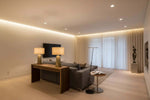
10 Smart Home Lighting Tips to Save Energy and Reduce Your Bills
, by Eric Blaise DEFFO, 2 min reading time
, by Eric Blaise DEFFO, 2 min reading time
Discover 10 practical tips to reduce your energy consumption and lower electricity bills with smart lighting choices. Learn about LED technology, smart controls, and energy-saving strategies.
Lighting accounts for approximately 15% of an average home's electricity use. By making smart choices about your lighting, you can significantly reduce your energy consumption, lower your utility bills, and minimize your environmental impact.
LED technology has transformed home lighting. Compared to traditional incandescent bulbs, LEDs use up to 75% less energy and last 25 times longer. This means fewer replacements and substantial savings over time.
Replace all incandescent and CFL bulbs with LED alternatives. While the upfront cost is higher, LEDs pay for themselves within months through energy savings.
Installing dimmer switches allows you to adjust light levels based on need, reducing energy consumption when full brightness isn't necessary.
Maximize daylight by keeping windows clean, using light-colored curtains, and arranging furniture to take advantage of natural illumination during the day.
In hallways, bathrooms, and closets, motion-activated lights ensure lights are only on when needed, eliminating wasted energy from forgotten switches.
Don't over-light spaces. Use task lighting for specific activities rather than illuminating entire rooms at maximum brightness.
Combine ambient, task, and accent lighting to create flexible lighting schemes that can be adjusted based on activity and time of day.
Program lights to turn off automatically during daylight hours or when you're typically away from home.
Warm white (2700-3000K) for living spaces, cool white (4000-5000K) for task areas. Proper color temperature reduces the need for excessive brightness.
Dust and dirt can reduce light output by up to 30%. Regular cleaning ensures maximum efficiency from your bulbs.
It sounds simple, but this habit makes a real difference. Even LED bulbs consume energy, so switch them off when leaving a room.
Modern smart lighting systems offer unprecedented control over your home's energy use:
A typical LED bulb uses about 10 watts compared to 60 watts for an incandescent. If you use a bulb for 3 hours daily:
Multiply this across all bulbs in your home, and the savings add up quickly!
Beyond cost savings, energy-efficient lighting reduces your carbon footprint. A single LED bulb can prevent approximately 1,000 pounds of CO2 emissions over its lifetime compared to incandescent alternatives.
Start by replacing the bulbs you use most frequently. Focus on high-traffic areas like kitchens, living rooms, and bathrooms where lights are on for extended periods.
Energy-efficient lighting is one of the easiest and most cost-effective home improvements you can make. With LED technology and smart controls, you can enjoy beautiful, functional lighting while reducing both your energy bills and environmental impact.